





Manuka Honey for Eczema: A Complete Guide
INCLUDING RECIPES AND PRODUCT COMPARISONS
The benefits of honey can go much further than making your cup of tea taste better. In fact, if you’ve suffered with eczema for a while, then you may have already heard of Manuka honey being touted as of one of the super foods for treating eczema.
Overview
 Benefits of Manuka Honey
What is Manuka Honey Exactly?
Taking Manuka Honey Orally plus Recipes
Using Manuka Honey Externally for Eczema plus Cream Reciepes
Reviews: Pre-made Manuka Honey Products For Eczema
Precautions
Conclusion
Did you know? A Brief History of Honey
Benefits of Manuka Honey for Exczema
Taken either orally or used externally, Manuka honey has fast become a leader in natural therapies due to its medicinal qualities providing improvement to various health ailments, including skin conditions such as eczema.
Here are some of the reasons why people are becoming so excited about this sweet product:
Wound and burn protection and healing: The protective quality of sterilized raw honey means it can be applied directly as a dressing to guard wounds and burns, with some studies¹ suggesting an increased recovery healing time from certain mild burn cases and inflammatory symptoms.
Infection control for helping eczema and acne: When pathogenic bacteria penetrates the skin, eczema and acne can develop. The naturally strong antibacterial and antimicrobial components of Manuka honey can help kill off these unwanted organisms to assist in controlling itch and infection.
Contains non-peroxide activity (NPA): As opposed to normal honey, NPA is a sun/liquid/heat-stable property of Manuka honey. This gives rise to the strong active enzymes accountable for its potency, and bacteria/inflammation fighting vigor.
Immune boosting: Manuka honey has been shown to stimulate certain immune cells within the body, leading to better quality wound healing which is especially helpful for eczematous skin.
Micronutrient dense: Containing amino acids, B Vitamins, and minerals, this nutritionally superior formula far outpaces other honeys with up to four times the nutritional density in terms of its restorative compounds.
Small Intestine Bacterial Overgrowth (SIBO): Manuka honey has been shown to help control the overgrowth of bacteria in the small intestine due to its very powerful antibiotic characteristics. Gut health is extremely important for eczema sufferers as an imbalanced digestive system is often linked to eczema symptoms.
MRSA infection control: With its strong natural antibiotic component, Manuka honey has been used in the treatment of Methicillin-Resistant Staphylococcus Aureus (MRSA) – a type of antibiotic-resistant bacterial infection. This type of ‘staph’ infection is difficult to treat and with skin infections common in eczema sufferers, this natural alternative is a welcome last resort.²
Supports dental health: One study performed by the School of Dentistry at the University of Otago showed an impressive 35% reduction in plaque and gum bleeding from individuals suffering from gingivitis after using Manuka honey three times per day, over a 21-day period.³
Better sleep: Understanding the influence quality sleep has on the immune system and eczema is important - when sleep is poor, the entire body suffers.
The brain uses a lot of energy during sleep by utilizing its glycogen stores (brain food) from the liver. When these stores a low, the brain cannot function at its peak and thus contributes to poor sleep.
Taking a small amount of honey before bed can help restore these glycogen levels to aid in a better night sleep. Raw honey is said to be even more efficient at making liver glycogen.
What is Manuka Honey Exactly?
Honey is a food source which is made by the collective efforts of bees which forage the sweet nectar from various flowers.
This honey is then stored within waxy housing compartments within the hive in order to survive long winter months without flowers/nectar supplies.
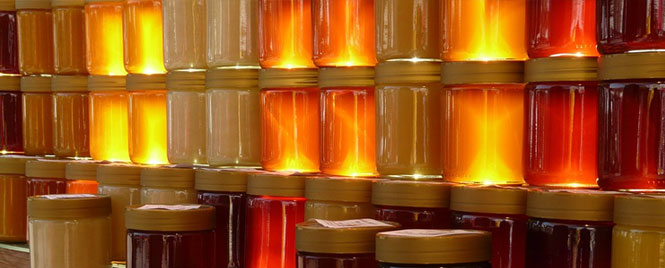
Manuka honey on the other hand, is the end product generated by bees which have specifically gathered the nectar solely from the Manuka bush. This is termed a ‘monofloral honey.’
The curative qualities of Manuka honey greatly stem from its distinctly powerful, naturally occurring antibacterial strength - a characteristic distinguishable by what’s called the Unique Manuka Factor (UMF) which is a guarantee of its medicinal value.
UMF Standards
To receive a UMF rating, the strict grading system assesses for quality and purity of Manuka Honey to confirm its specific standard.
UMF 0-4
Undetectable - Not therapeutic
UMF 5-9
Low levels - Generalized benefits of honey for ongoing heath maintenance
UMF 10-15
Useful levels - Supportive of healing with decent antibacterial quality
UMF 16+
Superior high grade levels - Exceptionally therapeutic
Each batch of Manuka honey produced is put through rigorous biological and chemical testing methods using strict criteria to ensure safety, authenticity, and quality. This system is closely regulated so you can trust you're getting exactly what you paid for.
TAKING MANUKA HONEY ORALLY
For those who can take honey internally (refer to my ‘precaution’ section below), taking honey orally can be as simple as eating one teaspoon before bed. Though care is recommended if taking Manuka honey with a UMF 15 rating or over simply due to its enzymatic concentration.
You can find quality Manuka Honey here or for UK visitors here.
For treating an illness temporarily:
Manuka honey between UMF 16-20+ would be ideal where possible
Start off small to test your body’s reaction – ¼ or ½ teaspoon per day
If no negative side effects are noticed after repeating over a few days, increase dosage slowly up to one teaspoon twice per day at the most
Do not take any more than one tablespoon at any time
Consuming in food for ongoing benefits:
Use Manuka honey UMF 10+ or less
Supplement for sugar in teas or with food
Do not exceed more than one tablespoon per serving
Manuka Honey Tea Recipe for Sore Throats
The growth of Streptococcus pyogenes, or ‘Strep’ bacteria, responsible for causing sore throats can be stopped when taking Manuka honey. For this reason, taking a teaspoon of Manuka honey or drinking honey tea during times of sickness or low immunity can help provide instant relief and assist with bringing down inflammation.
IMMUNE BOOSTING MANUKA HONEY TEA
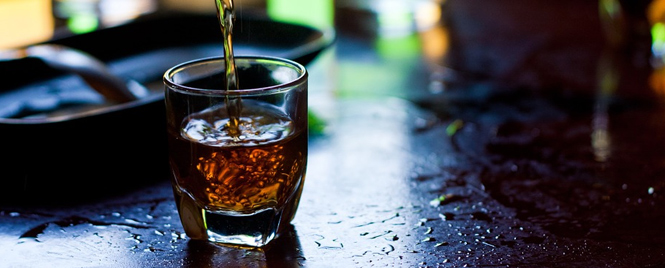
Ingredients:
Manuka honey 1 tsp
Fresh ginger ½ inch
Lemon ¼
Need:
Mug or small tea pot, tea infuser (optional)
Instructions:
1. Peel, slice, and smash ginger then add to cup or tea infuser
2. Add Manuka honey and hot water to cup
3. Let ginger and honey steep for 2-3 minutes
4. Add juice from the lemon
5. Enjoy!
Using Manuka Honey Externally for Eczema
Due to the powerful phenolic compounds, applying Manuka honey directly onto the eczema skin, while beneficial for controlling unwanted bacteria, can also pose as an irritant for some. This is why most people prefer to apply this medicinal honey diluted, as part of a mixture.
I have included some instructions for making your own Manuka honey lotions from home.
MANUKA HONEY D.I.Y ECZEMA SALVE MASK RECIPE
Ingredients:
Raw bioactive Manuka honey 2 Tbsp
Olive oil 1 Tbsp
Beeswax 2 Tbsp
Need:
Small pan, sterile glass jar with a lid (sterilize by pouring boiling water over it), mixing spoon
Instructions:
1. Place pan over a low heat and melt beeswax, ensuring not to burn
2. As soon as the wax melts, remove the pan from heat
3. Quickly add the Manuka honey and olive oil, mix well to combine. You may notice the mixture becomes a little fizzy but that’s ok as long as it’s off the heat.
4. Transfer the mixture into the sterilized glass jar/s
5. It will start to set once the mix begins to cool
6. Store the jar in the refrigerator and when you want to use, either use a clean q-tip or make sure your hands have been washed with soap so as to limit the amount of contamination going into the mixture. Apply only a thin layer of the mix to the skin and allow to completely dry.
7. After approximately 20 minutes, wash the mixture off with luke-warm water, then pat dry with a clean cloth.
MANUKA HONEY D.I.Y ECZEMA CREAM RECIPE
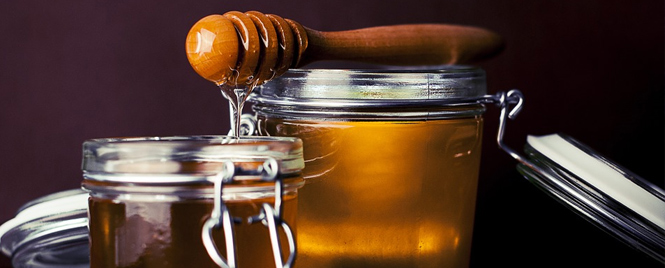
Ingredients:
Manuka honey 1/3 cup
Shea butter 1 cup
Tea tree oil 1 tsp
Sea buckthorn seed oil 1 tsp
Neem oil 1 tsp
Need:
Sterilized glass jar, double boiler (glass bowl in pot of water), beater
Instructions:
1. Put the butter and oils into double boiler glass bowl and bring up to medium heat to melt everything down
2. Remove from heat once everything is combined and looks uniform in its consistency
3. Once off the heat, add honey and stir until nicely combined
4. Wait until mixture has cooled, then place in fridge for an hour
5. Remove from fridge, then use beater to whip into a creamy consistency resembling whipped cream
6. Put into sterilized glass jar/s and place back into fridge for another hour
7. The cream is now ready to use and can be stored at room temperature
REVIEW: PRE-MADE MANUKA HONEY PRODUCTS FOR ECZEMA
For those who would rather buy their Manuka honey products already measured and made, here is a handy review of some of the most popular products available online.
Manuka Honey Skin Cream – by The Eczema Company
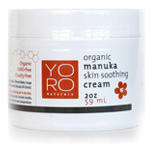 Short list of all-natural ingredients
Not tested on animals
Paraben and GMO free
Well priced
Well rated on company website
Body butter – by Skin Food New Zealand
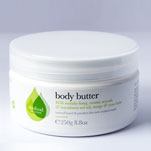 All natural ingredient list
Paraben free Medium-high list price
Not tested on animals
Well rated on Amazon
Manuka honey healing moisturiser – by reNeu
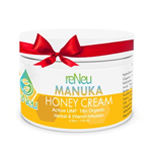 UMF 16+
Paraben free
Well rated on Amazon
Not tested on animals
Very long ingredient list (diluted ingredients)
Contains Phenoxyethanol, a potential irritant and carcinogen
Higher list price
Precautions
Honey is a product which sensitive individuals can actually react unfavorably to, much like many other food or skin products.
For certain people living with eczema, sugar can cause worsening of the symptoms so if you are susceptible to the negative effects of sugar, honey is best avoided unless otherwise directed.
If you choose to use honey and find that your health or skin reacts poorly when eaten or applied topically, then stop using it immediately.
Additionally, Manuka honey should be avoided or used with caution and under the guidance of a qualified medical practitioner if you have any of the following:
Sensitivity/inflammatory response to sugar
Allergy to bees
Diabetes (the rise in blood sugar can pose a risk)
Patients currently undergoing chemotherapy treatment
Conclusion
The uses of Manuka honey for eczema are increasing as we discover more valuable ways to get the most out of this amazing product. So while one thing doesn’t necessarily work for everyone, this very natural and delicious product certainly has my attention.
Did you know? A Brief History of Honey
The medicinal literature's document a very long history of honey’s use for treating superficial and internal health concerns, with its high nutritional content and enzymatic processes.
In fact, the curative use of honey has been referenced throughout history, even as far back as the early Egyptian period.
Then in the early 1990’s, Dr. Peter Molan of the Waikato University in New Zealand (my native country!) discovered the amazing properties of this unique honey. This was the catalyst for a booming industry giving greater support to more natural forms of health care.
Today, Manuka honey is mainly produced in Australia and New Zealand and is heralded as the most therapeutic class of honey available today.
Sources:
¹ http://www.ncbi.nlm.nih.gov/pmc/articles/PMC2686636/
² http://www.webmd.com/skin-problems-and-treatments/understanding-mrsa
³ http://www.ncbi.nlm.nih.gov/pubmed/15125017


Subscribe to my 'e-Mel' list for more eczema stuff, including a free copy of my eBook - 200 Ways To Beat Eczema. Click here.
1 Comment on “Manuka Honey for Eczema: A Complete Guide”